
From Bike Lanes to Carbon Highways
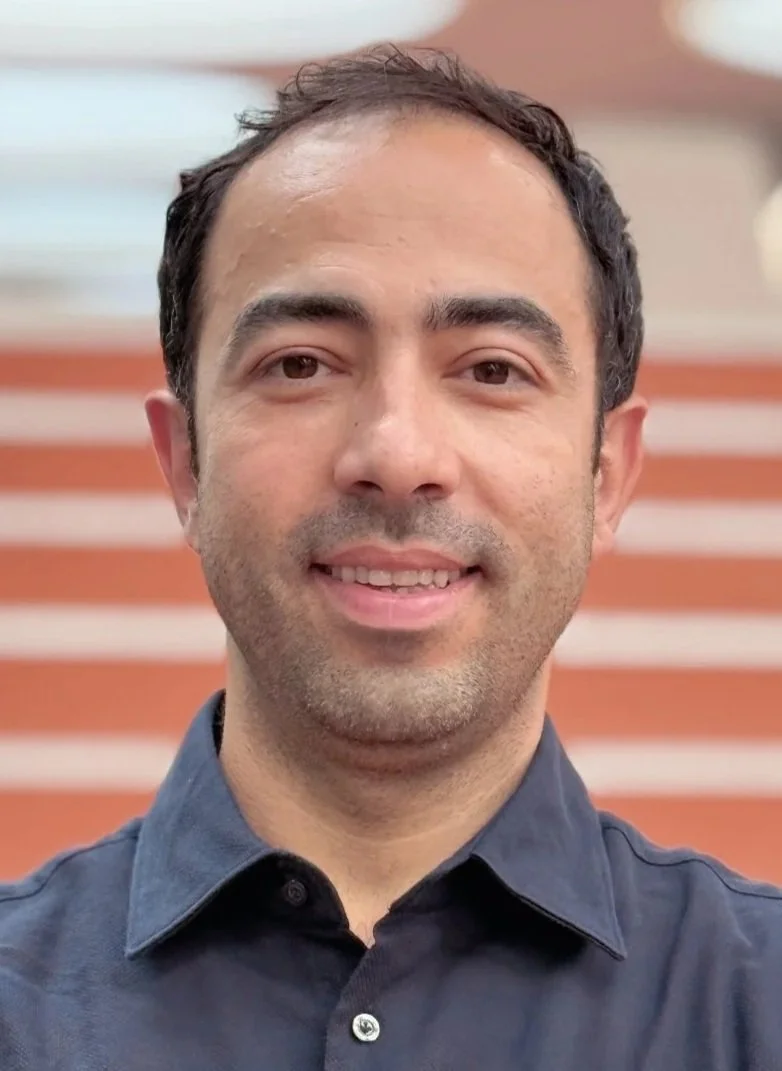
Reza Shirmohammadi
From Bike Lanes to Carbon Highways
When I first arrived in Denmark to join the Gaia programme as a Marie Skłodowska Curie Postdoctoral Fellow within the SDU Climate Cluster, my biggest culture shock wasn’t the language or the chilly Danish wind. It was nearly being run over by a silent, perfectly synchronized peloton of morning commuters on bicycles.
Everyone cycles here. Not just because they care about the environment, but because the system is designed to make it the easiest and most efficient choice. Watching this seamless network of bike lanes flowing through the city got me thinking about my own research.
I am not building roads for bikes. I am designing a different kind of highway, an infrastructure network for carbon dioxide.
Why We Need CO₂ Infrastructure
We often hear about capturing carbon dioxide to fight climate change. But capture is only the first step. What happens after we capture it is just as important.
Carbon dioxide still has to be transported safely and either reused or permanently stored deep underground. Without a proper system to move it, capturing CO₂ is like collecting waste without having a place to send it. It simply does not solve the problem.
This is why CO₂ infrastructure matters. It connects emission sources like industries and biogas plants with storage sites or places where CO₂ can be reused. It makes the whole process efficient, safe, and scalable.
My work focuses on solving the complex logistics of transporting millions of tons of captured CO₂ across large distances. You can think of it like a postal system, but instead of delivering letters, it transports invisible greenhouse gases that must be handled carefully.
At the same time, my perspective has evolved. Through interdisciplinary collaboration and reflection, I have learned that it is not enough to move carbon. The entire system must be sustainable. If capturing and transporting CO₂ uses too much fossil energy or harms ecosystems, then we are simply shifting the problem instead of solving it.
Building Climate Solutions Through CO₂BRAIN
This system level thinking drives my project, CO₂BRAIN, at the Department of Green Technology, University of Southern Denmark. Here, I focus on connecting different CO₂ sources and designing networks that allow efficient transport, use, or permanent storage.
For example, I examine how emissions from biogas plants can be collected, clustered, and integrated into a single optimized network. The goal is to reduce emissions across the entire value chain and support a circular carbon economy.
Denmark provides an ideal setting for this work. It is a place where research, policy, and industry come together, allowing ideas to move beyond theory into real world solutions.
Looking back, my experience here has changed how I see infrastructure. It is not just about pipelines and technology. It is about creating smart, sustainable systems that help us move toward a climate neutral future.